
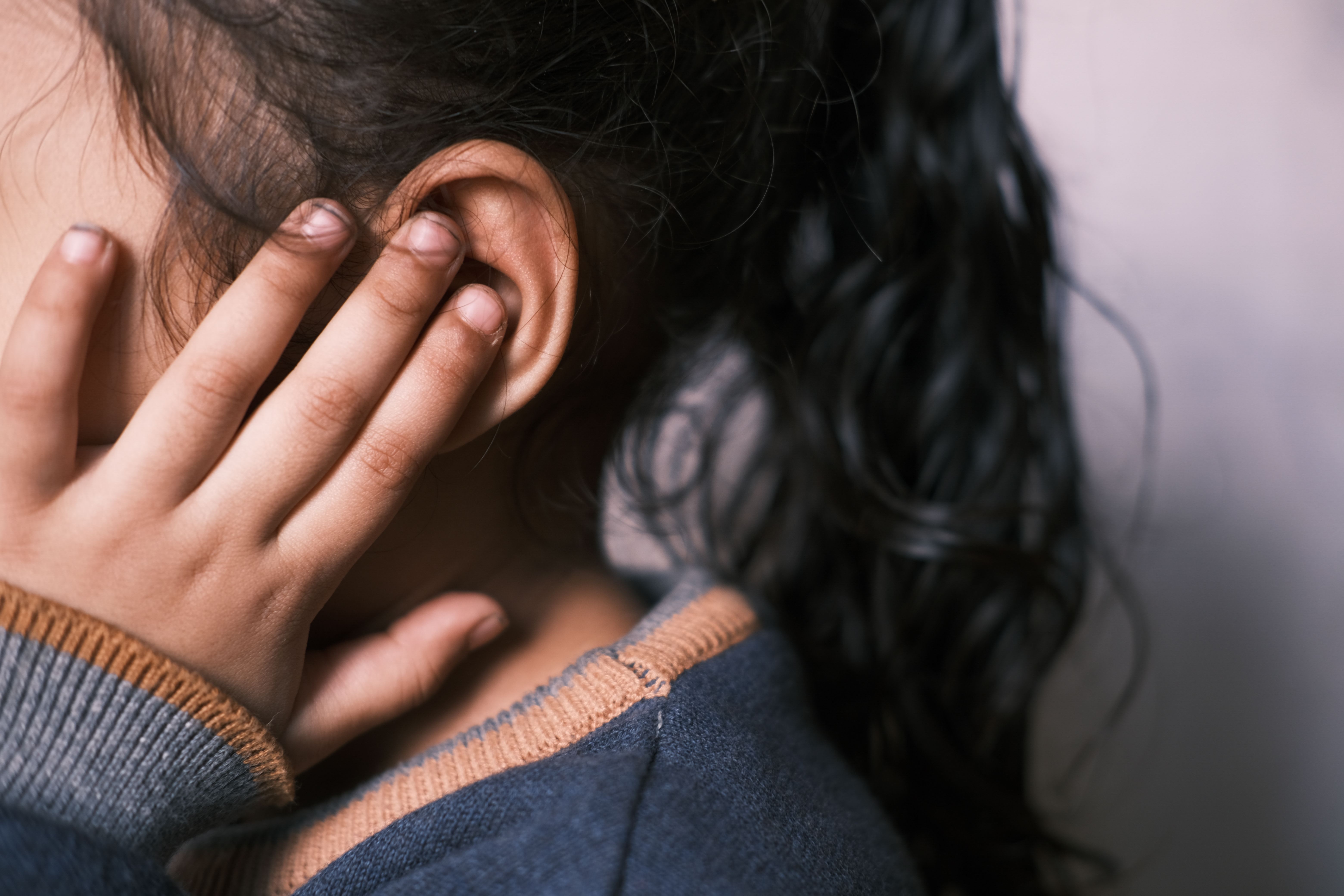
Humans, through years of evolution, are inherently social creatures. This is why social interactions are very important for children to learn because hearing sounds help them understand important information to navigate through life.
But during the 2026 World Hearing Day forum, Dr. Carlene Hipol, an Ear, Nose, and Throat (ENT) specialist and audiologist from the Baguio General Hospital and Medical Center, said that hearing loss affects 7.5% of children under 18 in the Philippines (Dar, 2026). That number makes it evident that hearing loss is currently impacting many Filipino children, especially when it comes to their ability to make friends, talk, learn, and be self-confident (Effects of Hearing Loss on Development, 2009).
Although, with early intervention, the effects of hearing loss can be managed. Acquiring an assistive hearing device for your child is just the first step, but what's next?
Habilitation for Young Clients with Hearing Loss
Nurturing a child's hearing development is essential so that they may be able to participate and navigate their way in society, which is why early intervention and habilitation is crucial for their development. But, what does early intervention and habilitation entail?
Early intervention is necessary because children's brains are rapidly developing. Early intervention may help children avoid missing key points of speech and language development. These important developmental milestones allow children to make friends and to learn new information.
Early intervention includes: Getting your child's hearing tested, asking a specialist such as an audiologist regarding the best action to help with your child's hearing loss, and possibly acquiring an assistive hearing device such as hearing aids and cochlear implants.
However, the devices mentioned only provide your child access to sound, but it does not automatically mean your child may develop their speech or language skills. This is where hearing habilitation is needed.
Hearing Habilitation or therapy allows children or babies to learn important communication skills (e.g., speech, language, listening). It also helps with training both the child and their guardian about the maintenance and use of their hearing device.
Different Therapy Approaches to Develop Speech & Language Skills
There are multiple different therapy approaches that may be done to ensure that a child with hearing loss may have their specific communication needs met. Certified professionals such as speech and language therapists and auditory-verbal practitioners may help determine what would be the best course of actions for your child's habilitation needs. There are many examples, but here are a few:
Speech-Language therapy sessions help improve a child's speech, language, and literacy (reading and writing) skills. It uses any means such as visual cues and listening cues to help the child understand what is being learned. Parents are not necessarily active in this approach, but may still be coached by speech-language pathology therapists (SLPs).
Meanwhile, auditory-verbal therapy (AVT) makes use of the child’s residual and aided hearing to learn to listen and speak. It is an approach that heavily emphasizes learning spoken language through listening only. It is done by certified practitioners that follow principles of auditory-verbal therapists which heavily advocate for early intervention and guardian or parent coaching. It is often a play-based approach. Play is a very important activity for children because it is their main occupation and also their way of learning.
There is also the auditory-oral approach which, unlike AVT, allows for helpful visual support alongside learning spoken language through solely hearing. Lip-reading, natural gestures, and other bodily expressions may be used alongside listening to help the child learn.

Another example would be cued speech. It is a visual form of spoken language wherein users of this sign language system use different signs for sounds within words rather than the words and concepts themselves. It uses certain hand shapes and also mouth movements, making it an aid for possible lip-reading.
No Child Should Be Left Behind
In the end, these therapy approaches work differently for every child, because every child's needs are different. Hearing devices may give access to sounds, but with added habilitation, more doors may open to improve a child's quality of life. More efforts in all fronts such as in public policy and within the habilitation field should be done to ensure accessibility to these services. A society that prioritizes the welfare of children produces a more inclusive and sustainable environment for all.
References
Auditory Verbal Therapy for Children With Hearing Loss. (2024, July). Nih.gov; Canadian Agency for Drugs and Technologies in Health. https://www.ncbi.nlm.nih.gov/books/NBK606541/#a5
Child Audiologic (Hearing) Habilitation. (2026). Asha.org. https://www.asha.org/public/hearing/child-audiologic-habilitation/?srsltid=AfmBOopspgrP2fKst42fTtOtKWmXYvGMDKxf99eZm1KLlXI0wu-7lTEz
CHILDHOOD HEARING LOSS Strategies for prevention and care. (2016). https://www.who.int/docs/default-source/imported2/childhood-hearing-loss--strategies-for-prevention-and-care.pdf
Cornett, R. O. (1985). Diagnostic Factors Bearing on the Use of Cued Speech with Hearing-Impaired Children. Ear and Hearing, 6(1), 33–35. https://doi.org/10.1097/00003446-198501000-00009
Crouse, S. (2021, February 21). Auditory Verbal Therapy vs. Speech-Language Therapy: What’s the Difference? Stacy Crouse. https://www.stacycrouse.com/post/speech-therapy-vs-auditory-verbal-therapy
Dar, C. (2026, March 18). Health expert warns of hearing loss among children - Philippine Information Agency. Philippine Information Agency. https://pia.gov.ph/news/health-expert-warns-of-hearing-loss-among-children/
Effects of Hearing Loss on Development. (2009). Asha. https://www.asha.org/public/hearing/Effects-of-Hearing-Loss-on-Development/
Shojaei, E., Jafari, Z., & Gholami, M. (2016). Effect of Early Intervention on Language Development in Hearing-Impaired Children. Iranian Journal of Otorhinolaryngology, 28(84), 13. https://pmc.ncbi.nlm.nih.gov/articles/PMC4735612/
What is the difference between Auditory Verbal (AV) therapy and other approaches? (2014, December 9). Auditory Verbal. https://www.avuk.org/faqs/what-is-the-difference-between-auditory-verbal-av-therapy-and-other-approaches